
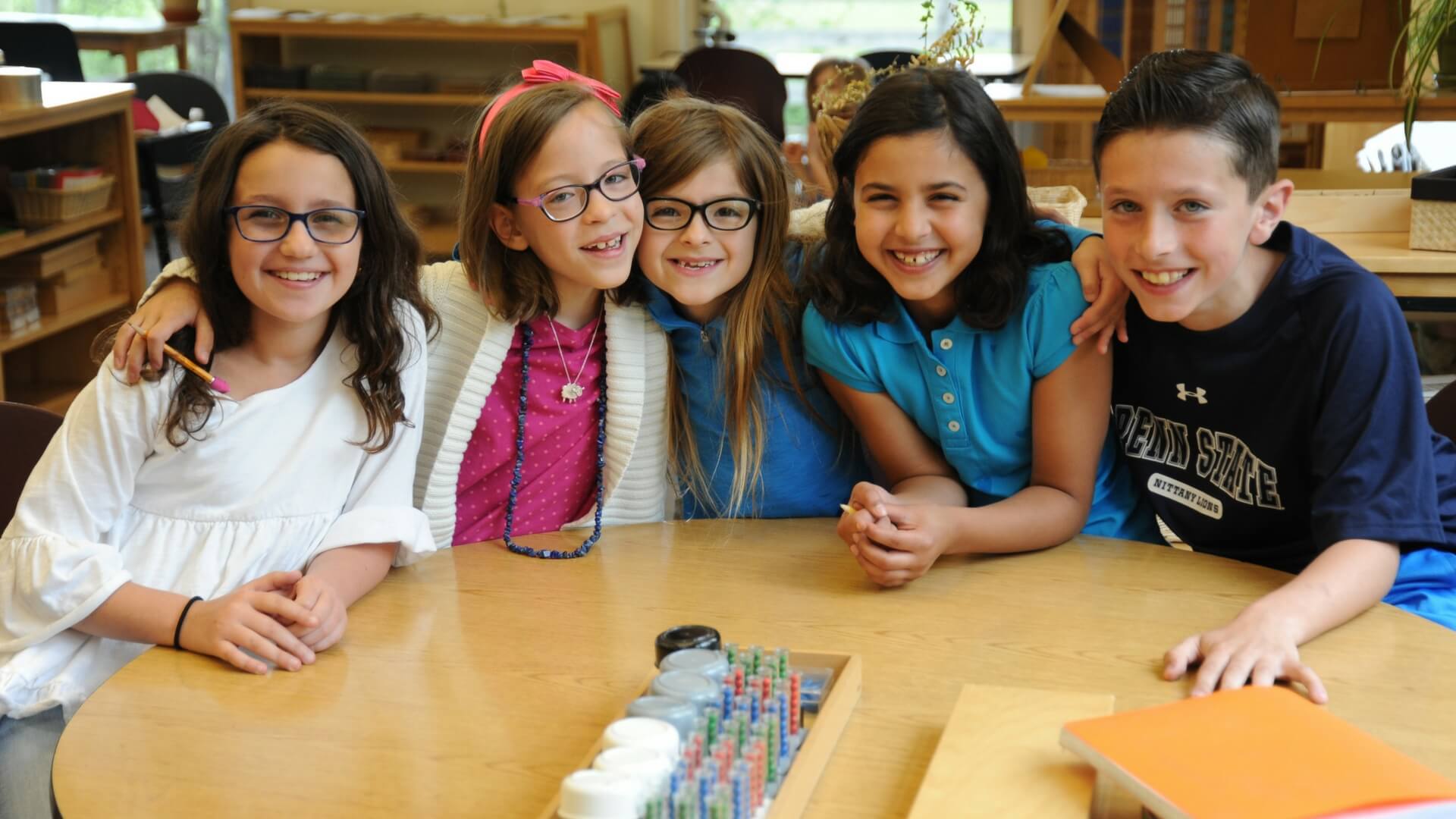

Choosing the right school is an important step for every family. The early years of education can shape how children learn, think, and interact with others. If you are looking for a Montessori school Hudson Ohio families can trust, it helps to know what to look for before making a choice.
Montessori schools use a child-focused way of learning. Children often learn through hands-on activities and have time to work at their own pace. However, not every school may offer the same experience. Visiting schools, asking questions, and learning about their programs can help you find the right fit for your child.
Understand the Montessori Method
Before choosing a Montessori School in Hudson, take time to understand how Montessori education works.
The Montessori method provides children with a carefully prepared classroom where they can choose from meaningful activities. Teachers observe children and guide them toward activities that support their development rather than directing every step of the day.
Children often use hands-on materials to understand numbers, letters, shapes, science, and practical life skills. Instead of only listening to a lesson, children can touch, move, explore, and repeat activities.
This approach can also encourage independence. Children may select an activity, work with it, and return the materials when finished. These simple routines can help children develop focus, responsibility, and care for their environment.
Check the School’s Montessori Program
Once you understand Montessori education, look closely at the program offered by each Montessori School in Hudson.
Ask what a typical school day looks like. Find out how much time children have for independent work, group activities, outdoor learning, meals, and other activities.
You should also ask what Montessori materials are available and how teachers introduce them. A well-planned Montessori classroom should provide materials that match the children’s ages and developmental needs.
Ask how the school supports children who learn at different speeds. Every child develops differently, so it is useful to understand how teachers observe progress and adjust their guidance.
Look at the Classroom Environment
A school visit can tell you a lot about the learning environment. When visiting a Montessori School in Hudson, look carefully at the classroom.
Montessori classrooms are generally organized so children can access learning materials independently. Furniture and materials should be appropriate for the children’s age and size.
Watch how children use the space. Do they have room to move and work? Do they appear engaged with their activities? Do teachers interact with them respectfully?
Also look at outdoor areas. Outdoor play and exploration can give children opportunities for physical activity, observation, and social interaction.
Learn About the Teachers
Teachers have an important role in Montessori education. Ask about their Montessori training, experience, and approach to working with children.
A Montessori teacher generally acts as a guide. Teachers observe children, introduce appropriate activities, and provide support while allowing children to develop independence.
During your visit, watch how teachers communicate with children. A respectful and calm relationship can help create a positive learning environment.
You can also ask how teachers identify children who may need additional support and how they communicate those needs to parents.
Check the School’s Learning Goals
Parents should understand what children are expected to learn. Ask each Montessori School in Hudson about its academic and developmental goals.
Find out how the school approaches reading, writing, mathematics, science, social studies, art, and other subjects.
Also ask about practical life skills. Montessori education places value on activities that help children become more independent and responsible.
Look for a program that supports academic development while also giving children opportunities to solve problems, make choices, communicate, and work with others.
Ask About Class Size
Class size can affect the amount of individual guidance children receive. Ask how many children are in each classroom and how many teachers work with them.
Also ask whether classrooms include children from different age groups. Mixed-age classrooms are a common part of Montessori education and can provide opportunities for younger and older children to learn from one another.
If your child has specific learning needs, ask how teachers provide individual support and monitor progress.
Review the Daily Schedule
A school may have a strong educational approach, but its schedule also needs to work for your family.
Ask about arrival and dismissal times, classroom work periods, outdoor activities, meals, rest, and group activities.
If you need additional care, ask whether before-school or after-school programs are available.
Understanding the full daily schedule can help you decide whether the school fits your family’s routine.
Consider Location and Travel Time
Location is another practical factor when choosing a Montessori School in Hudson.
Think about how long it will take to travel to and from school each day. Visit the school during normal arrival and dismissal times if possible so you can understand the traffic and drop-off process.
You can also ask about parking, transportation, and other arrangements that may affect your daily routine.
Compare Tuition and Other Costs
Before enrolling, ask for a complete breakdown of school costs.
Tuition may not include every expense. Ask about registration fees, supplies, meals, activities, transportation, and extended-care costs.
Some schools may also provide financial assistance or payment options. For example, Hudson Montessori School states that it offers financial assistance based on demonstrated need.
Comparing the complete yearly cost can help you understand what you will actually spend.
Ask About Parent and School Communication
Strong communication can help parents stay informed about their child’s experience.
Ask how teachers share information about children’s progress. Find out whether the school provides parent meetings, progress reports, conferences, or other updates.
You should also know who to contact if you have questions or concerns. Open communication can make it easier for parents and teachers to work together.
Check Safety and School Policies
Your child’s safety should always be part of your school evaluation.
Ask about emergency procedures, visitor policies, illness rules, and child pick-up procedures. Find out how the school confirms who is authorized to collect a child.
You can also ask about supervision during outdoor activities, arrival, dismissal, and transitions between classrooms.
Reviewing these policies can give you a clearer understanding of how the school manages everyday safety.
Read Reviews and Talk to Parents
Online reviews can provide additional information about a school. Look for patterns in what parents say about teachers, communication, classroom experiences, and school activities.
However, reviews should be only one part of your research. Every family’s experience can be different.
If possible, talk with current or former families and ask about their experiences. Their answers may help you prepare questions for your school visit.
Visit the Montessori School in Person
A personal visit is one of the most useful steps when choosing a Montessori School in Hudson.
Hudson Montessori School itself recommends that prospective families visit, tour the school, meet teachers and students, and observe classrooms in action.
During your visit, observe how teachers communicate with children and how students use the learning materials.
Pay attention to the atmosphere. Does the classroom feel organized and welcoming? Are children given opportunities to work independently? Do teachers provide guidance when needed?
Take notes during your visit so you can compare different schools later.
Questions to Ask During a School Visit
Prepare a list of questions before visiting a Montessori School in Hudson. You can ask:
- What Montessori training do the teachers have?
- What does a normal school day look like?
- How many children are in each classroom?
- How are children supported when they need extra help?
- How do teachers track progress?
- What subjects and activities are included?
- How do teachers communicate with parents?
- What are the tuition and additional costs?
- What are the school’s safety procedures?
- Are before-school or after-school programs available?
The answers can help you understand whether the school matches your child’s needs and your family’s expectations.
Signs of a Good Montessori School
A good Montessori school should provide an organized environment, appropriate learning materials, caring teachers, and a clear educational approach.
Children should have opportunities to work independently while receiving guidance from trained teachers.
The school should also support academic learning, practical skills, social development, and confidence. Parents should feel comfortable asking questions and communicating with teachers.
Most importantly, the environment should respect children and provide meaningful opportunities for learning and growth.
Make Your Final Choice
Choosing a Montessori School in Hudson takes time and careful research. Start by learning how Montessori education works, then compare schools based on their teachers, classroom environment, learning program, schedule, costs, communication, and safety policies.
Visit the schools you are considering and observe the classrooms for yourself. Ask questions and think about your child’s personality, learning style, interests, and needs.
There may not be one school that works equally well for every family. The goal is to find an environment that fits your child’s educational needs and your family’s expectations.
If you are exploring Montessori education in Hudson, take the time to visit the school, speak with teachers, and learn about the program before making your decision. Contact us to learn more about finding the right Montessori school for your child.
FAQs
1. What is a Montessori school?
A Montessori school uses hands-on learning, carefully prepared classrooms, and teacher guidance to help children develop academic skills, independence, focus, and responsibility.
2. How do I choose a Montessori School in Hudson?
Visit the school, meet the teachers, review the Montessori program, check class sizes, ask about learning goals, and compare tuition, schedules, communication, and safety policies.
3. What should I look for in a Montessori classroom?
Look for a calm and organized classroom with age-appropriate materials that children can access and use. Also observe how teachers guide and communicate with children.
4. Are Montessori teachers specially trained?
Many Montessori programs use teachers with specialized Montessori training. Ask the school about the training, certifications, and experience of its teaching staff.
5. Why should I visit a Montessori school before enrolling?
A visit allows you to observe the classroom, meet teachers, see the learning materials, and understand how the school operates. It can help you decide whether the environment is suitable for your child.
