
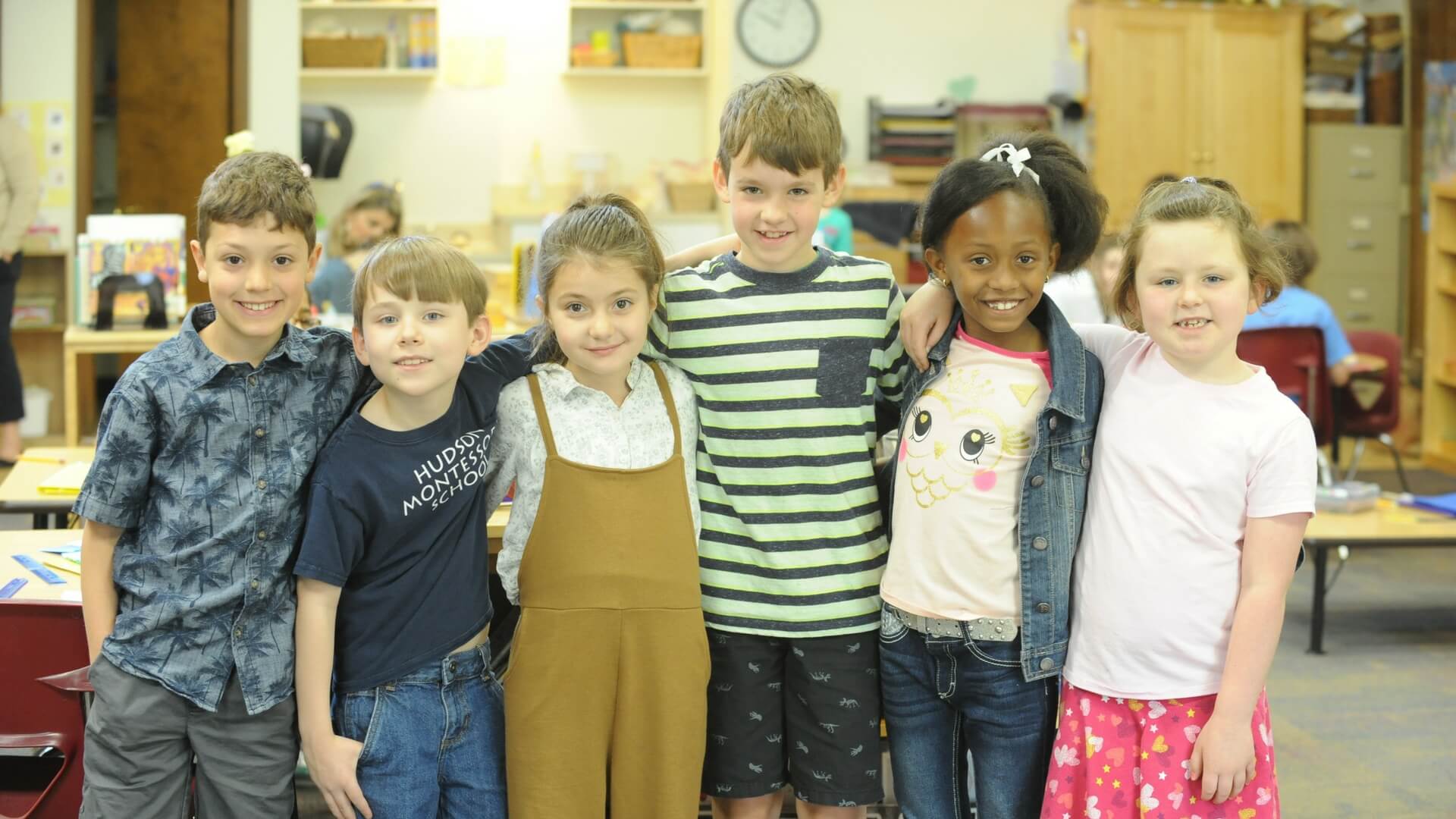

Choosing from preschools in Hudson Ohio is one of the most important early decisions parents make. A preschool is not only a place where children spend a few hours a day, but a foundational environment that influences their emotional development, social skills, and early academic readiness.
For many parents, the challenge is not finding options, but understanding what actually defines quality. Some preschools focus heavily on academics, while others emphasize play or structure. Montessori-based environments, such as those at Hudson Montessori School, offer a different approach that blends independence, hands-on learning, and guided exploration.
This guide is designed to help parents evaluate preschool options clearly using practical criteria, a structured checklist, and an understanding of Montessori education compared to traditional models.
Why Choosing the Right Preschool Matters
Early Childhood Is a Critical Development Stage
Between the ages of two and six, children develop at a rapid pace. During this time:
- Brain development is highly active
- Emotional regulation begins to form
- Communication skills expand quickly
- Social interaction becomes essential
A high-quality preschool helps shape these areas in a positive and structured way. For families searching for preschool readiness, this stage is often where children learn how to adapt to group environments, follow routines, and develop early independence.
Preschool Shapes Long-Term Learning Habits
The preschool experience influences how children approach learning later in life. A strong foundation leads to:
- Better focus and attention span
- Confidence in classroom participation
- Early problem-solving ability
- Stronger communication skills
This is why evaluating preschools in Hudson Ohio requires more than a quick visit. Parents need to understand teaching methods, classroom structure, and overall philosophy.
Preschool Checklist Hudson Parents Should Use
When evaluating a preschool, having a structured approach helps simplify decision-making. Below is a detailed preschool checklist Hudson families can use.
1. Safety and Environment
A quality preschool must provide a safe and welcoming environment.
Look for:
- Secure entry and exit systems
- Clean and well-maintained classrooms
- Age-appropriate furniture and materials
- Clearly defined activity areas
- Safe outdoor play spaces
Children learn best when they feel physically and emotionally secure.
2. Teacher Qualifications and Interaction
The quality of teachers has a direct impact on learning outcomes.
Parents should evaluate:
- Preschool teacher credentials and training in early childhood education
- Experience with child development stages
- Communication style with children
- Ability to guide rather than control learning
A good teacher supports independence while ensuring structure and safety.
3. Curriculum and Learning Approach
Not all preschools follow the same teaching philosophy.
Common approaches include:
- Structured academic programs
- Play-based learning environments
- Montessori-based education
When comparing Montessori vs traditional preschool models, parents often notice that Montessori emphasizes independence and hands-on exploration, while traditional models focus more on teacher-led instruction.
4. Classroom Environment and Materials
A strong learning environment encourages exploration and independence.
Parents should observe:
- Child-accessible materials
- Organized learning stations
- Calm and focused classroom atmosphere
- Opportunities for hands-on activities
5. Communication with Parents
Strong communication builds trust between families and schools.
Look for:
- Regular progress updates
- Parent-teacher meetings
- Transparent policies
- Daily activity summaries
Understanding Montessori Classroom Features
Montessori classrooms are designed differently from traditional preschool settings. These environments support independence, concentration, and natural curiosity.
Key Montessori Classroom Features
1. Prepared Learning Environment
Everything in a Montessori classroom is intentionally arranged.
- Materials are placed within child reach
- Each item has a specific learning purpose
- Children choose activities independently
2. Hands-On Learning Tools
Learning happens through physical interaction.
- Math materials like counting beads
- Language tools such as sandpaper letters
- Practical life activities like pouring and sorting
3. Mixed-Age Learning Groups
Children of different ages learn together.
- Younger children observe older peers
- Older children reinforce learning by guiding others
- Social development happens naturally
4. Independence-Focused Activities
Children are encouraged to complete tasks on their own.
- Cleaning up after work
- Managing personal belongings
- Choosing learning activities independently
These features make Montessori classrooms different from traditional preschool environments and are often a key reason parents choose Hudson Montessori School.
Montessori vs Traditional Preschool Explained
Understanding the difference between these two approaches is essential when evaluating preschools in Hudson Ohio.
Montessori Approach
- Child-led learning experience
- Focus on independence and responsibility
- Hands-on, self-paced activities
- Emphasis on deep understanding
Traditional Preschool Approach
- Teacher-led instruction
- Structured group activities
- Focus on early academic readiness
- Standardized pacing for all children
Key Difference in Outcome
Montessori education focuses on long-term development of thinking skills, while traditional models often focus on early academic structure. Both can be effective, but they serve different learning styles.
Understanding Preschool Readiness
What Is Preschool Readiness?
Preschool readiness refers to a child’s ability to adapt to a structured learning environment.
It includes:
- Ability to follow simple instructions
- Basic communication skills
- Emotional comfort in group settings
- Curiosity and willingness to explore
Signs Your Child May Be Ready
- Shows interest in interacting with other children
- Can manage short periods away from parents
- Begins to follow simple routines
- Displays curiosity about learning activities
What Makes a Preschool High Quality
A high-quality preschool is not defined by one factor alone. Instead, it is a combination of environment, teaching approach, and emotional support.
Key Indicators of Quality
- Balanced academic and social learning
- Strong focus on emotional development
- Well-trained educators
- Safe and structured environment
- Encouragement of independence
When evaluating preschools in Hudson Ohio, these indicators are more important than branding or appearance.
How Hudson Montessori School Fits Into Preschool Education
Hudson Montessori School offers a structured Montessori-based environment designed to support early childhood development.
The focus is on:
- Building independence from an early age
- Supporting emotional and social development
- Providing hands-on learning experiences
- Encouraging curiosity and exploration
Rather than focusing only on early academics, the school emphasizes the development of lifelong learning skills.
Parents exploring preschool readiness often find Montessori education helpful because it aligns with how children naturally learn and develop.
Questions Parents Should Ask During Preschool Visits
When visiting schools, parents should go beyond observation and ask meaningful questions.
About Learning Approach
- How is learning structured daily
- Is the curriculum play-based, academic, or Montessori
- How is individual progress tracked
About Teachers
- What are the teacher qualifications
- How is teacher training maintained
- How do teachers support different learning styles
About Child Development
- How is emotional development supported
- How is independence encouraged
- How are behavioral challenges handled
Final Thoughts
Selecting from preschools in Hudson Ohio requires careful evaluation and understanding of what truly supports a child’s development. While academic preparation is important, emotional growth, independence, and curiosity are equally essential.
Montessori education provides a structured yet flexible environment that allows children to grow at their own pace. Hudson Montessori School offers this balance by focusing on hands-on learning, independence, and holistic development.
Parents who take time to evaluate classrooms, understand teaching approaches, and observe student engagement are more likely to find a preschool that aligns with their child’s needs.
FAQs
1. What should I look for in preschools in Hudson Ohio?
Focus on safety, teacher qualifications, learning approach, classroom environment, and communication with parents.
2. What is included in a preschool checklist Hudson parents should use?
A checklist should include safety, curriculum, teacher credentials, classroom design, and emotional development support.
3. How is Montessori different from traditional preschool?
Montessori focuses on independence and hands-on learning, while traditional preschool is more teacher-led and structured.
4. What are Montessori classroom features?
They include prepared environments, hands-on materials, mixed-age groups, and independence-focused activities.
5. How do I know if my child is ready for preschool?
Readiness includes basic communication skills, ability to follow routines, curiosity, and comfort in group settings.

