
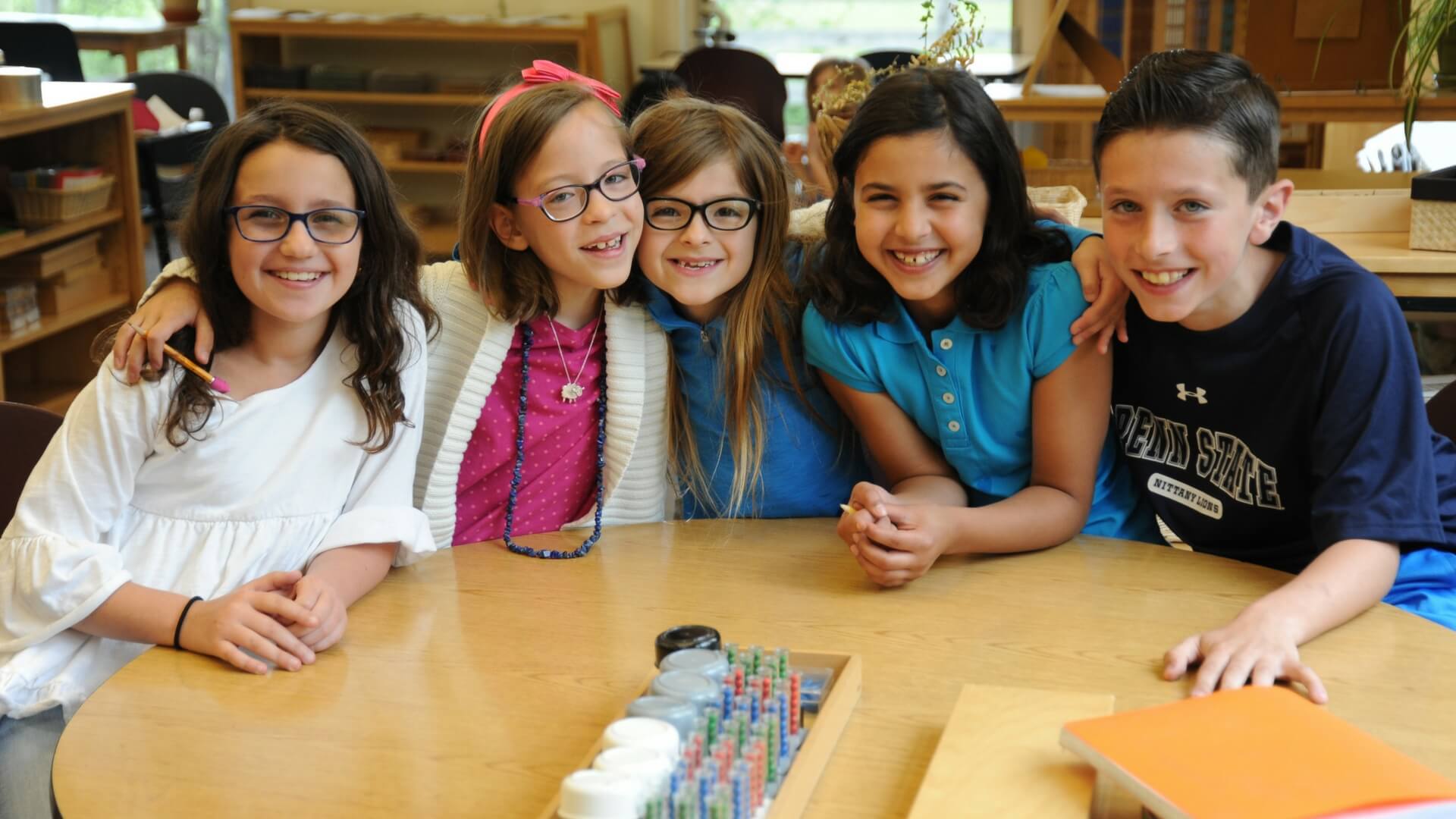

For many working parents, the hours between school dismissal and the end of the workday can be the most stressful part of the schedule. Finding a reliable, engaging, and safe environment for children during this time is essential. The right program does more than supervise children. It supports their development, reinforces learning, and provides a space where they can relax and grow. Choosing a trusted Hudson after-school daycare can make a meaningful difference in both a child’s daily experience and a parent’s peace of mind.
Why After-School Care Matters for Families in Hudson
Modern family life often requires both parents to work, making after-school care a necessity rather than a luxury. Children need a structured and supportive environment where they can transition from the school day into a more relaxed yet productive setting.
After-school programs help bridge the gap between school and home. They provide consistency, which is important for children’s emotional well-being. Instead of spending hours in front of screens or being left unsupervised, children benefit from guided activities, social interaction, and academic support.
For parents, a dependable Hudson after-school daycare offers reassurance. Knowing that their child is safe, engaged, and cared for allows them to focus on their work without constant worry.
Types of After-School Care Options in Hudson Ohio
Families in Hudson have access to a variety of after-school care options. Each type offers unique benefits, and understanding these differences can help parents make the best choice.
-
Traditional Daycare Programs
Traditional daycare programs provide structured supervision in a group setting. Children typically follow a routine that includes snack time, homework assistance, and free play. These programs are reliable and often operate on consistent schedules, making them a practical choice for busy families.
-
Montessori Aftercare Programs
Montessori aftercare programs take a different approach by focusing on child-led learning. Instead of rigid schedules, children are encouraged to explore activities that interest them. This approach fosters independence, creativity, and confidence.
In a Montessori environment, children engage in hands-on activities that promote critical thinking and problem-solving. The calm, organized setting also helps children unwind after a busy school day while staying productive.
-
Activity-Based Programs
Some after-school options focus on specific skills such as sports, music, art, or STEM activities. These programs are ideal for children who have strong interests or talents they want to develop. They provide opportunities for skill-building and creativity while keeping children active and engaged.
-
In-Home or Nanny Care
For families seeking personalized attention, in-home care or hiring a nanny can be a suitable option. This allows for flexible scheduling and one-on-one interaction. However, it may not offer the same level of social interaction as group programs.
What to Look for in a Hudson After-School Daycare
Choosing the right program involves more than convenience. Parents should evaluate several important factors to ensure their child receives quality care.
-
Safety Standards and Supervision
Safety should always be the top priority. A reputable Hudson after-school daycare will have trained staff, proper background checks, and clear security protocols. Look for secure entry systems, supervised pickup procedures, and staff who are trained in first aid and emergency response.
-
Balanced Daily Schedule
An effective after-school program balances learning and relaxation. Children need time to complete homework, but they also need opportunities to play and unwind. A well-structured schedule includes academic support, creative activities, and free play.
-
Engaging Activities for Development
Children thrive in environments that stimulate their curiosity. Look for programs that offer a variety of activities, including arts and crafts, group games, outdoor play, and problem-solving tasks. These activities support both cognitive and social development.
-
Clean and Child-Friendly Environment
A clean and organized space reflects the quality of care provided. Classrooms and play areas should be safe, well-maintained, and designed for children. Hygiene practices are also essential to ensure children remain healthy.
A Typical After-School Schedule and Activities
Understanding a typical daily routine can help parents know what to expect from a program. While schedules may vary, most quality after-school programs follow a similar structure.
Children are first picked up from school or arrive at the facility. This transition period allows them to settle in and shift from academic mode to a more relaxed setting. A healthy snack is usually provided, giving children the energy they need for the rest of the afternoon.
Homework time often follows. During this period, staff members are available to assist children with assignments and encourage good study habits. Once academic responsibilities are completed, children participate in group activities or creative projects.
Outdoor play is another important component. Physical activity helps children release energy, improve coordination, and maintain overall health. The day typically ends with free play or quiet activities until parents arrive.
How Montessori Aftercare Stands Out
Montessori aftercare programs offer a unique blend of structure and freedom. Unlike traditional programs that rely heavily on fixed schedules, Montessori environments allow children to make choices about how they spend their time.
This approach encourages independence and responsibility. Children learn to manage their time, select activities, and complete tasks on their own. The emphasis on hands-on learning keeps them engaged while reinforcing skills learned during the school day.
Mixed-age groups are another key feature. Younger children learn by observing older peers, while older children develop leadership skills by helping others. This collaborative environment fosters respect and teamwork.
Most importantly, Montessori aftercare prioritizes emotional well-being. Children are given the space to relax, reflect, and recharge, which is essential after a full day at school.
Benefits of After-School Programs for Children
-
Academic Support
After-school programs provide dedicated time for homework and study. With guidance from trained staff, children develop better study habits and gain a deeper understanding of their schoolwork.
-
Social Development
Interacting with peers in a structured setting helps children build friendships and improve communication skills. They learn how to work in groups, share ideas, and resolve conflicts.
-
Emotional Well-Being
A supportive environment helps children feel secure and valued. After a long school day, they benefit from a space where they can relax and express themselves freely.
-
Structured Routine
Consistency is important for children. A predictable routine helps them feel organized and reduces stress. It also teaches time management and responsibility.
Tips for Parents Choosing the Right Program
Selecting the right Hudson after-school daycare requires careful consideration. Visiting the facility in person is one of the best ways to evaluate its quality. Observe how staff interact with children and whether the environment feels welcoming.
Ask about staff-to-child ratios, as smaller groups often allow for more personalized attention. Review safety policies and ensure that procedures are clearly communicated.
Understanding the daily schedule is also important. Make sure it aligns with your child’s needs and interests. Reading reviews and speaking with other parents can provide valuable insights.
Finally, consider your child’s personality. Some children thrive in structured environments, while others prefer more flexibility. Choosing a program that matches their temperament can lead to a more positive experience.
Why Hudson Parents Prefer Quality After-School Daycare
Parents in Hudson value programs that go beyond basic supervision. They look for environments that support their child’s growth and development while ensuring safety and reliability.
A high-quality Hudson after-school daycare provides peace of mind. It allows parents to manage their responsibilities while knowing their child is in good hands. At the same time, children benefit from meaningful experiences that contribute to their overall development.
Conclusion
Balancing fun, learning, and safety is the key to effective after-school care. The right program creates a nurturing environment where children can continue to grow, explore, and build important life skills. From academic support to social interaction, after-school care plays a vital role in a child’s daily routine.
If you are seeking a trusted, enriching option, Hudson Montessori School offers thoughtfully designed aftercare programs that focus on independence, creativity, and well-being. Give your child a space where they can thrive beyond the classroom while you enjoy the confidence that comes with choosing a reliable Hudson after-school daycare.
FAQs
1. What is a Hudson after-school daycare program?
A Hudson after-school daycare program provides supervised care for children after school hours, including homework help, recreational activities, and social interaction in a safe environment.
2. What activities are included in after-school daycare programs?
Most programs include homework support, arts and crafts, group games, outdoor play, and structured learning activities that promote creativity and development.
3. How do I choose the best Hudson after-school daycare for my child?
Look for a program with strong safety measures, qualified staff, a balanced schedule, engaging activities, and a clean, child-friendly environment. Visiting the facility and reading parent reviews can also help.
4. What is the benefit of a Montessori aftercare program?
Montessori aftercare programs focus on independence, hands-on learning, and child-led activities, helping children build confidence, problem-solving skills, and self-discipline.
5. Is after-school daycare suitable for all age groups?
Yes, most after-school daycare programs are designed for a range of ages, typically from preschool to middle school, with activities tailored to different developmental levels.

