
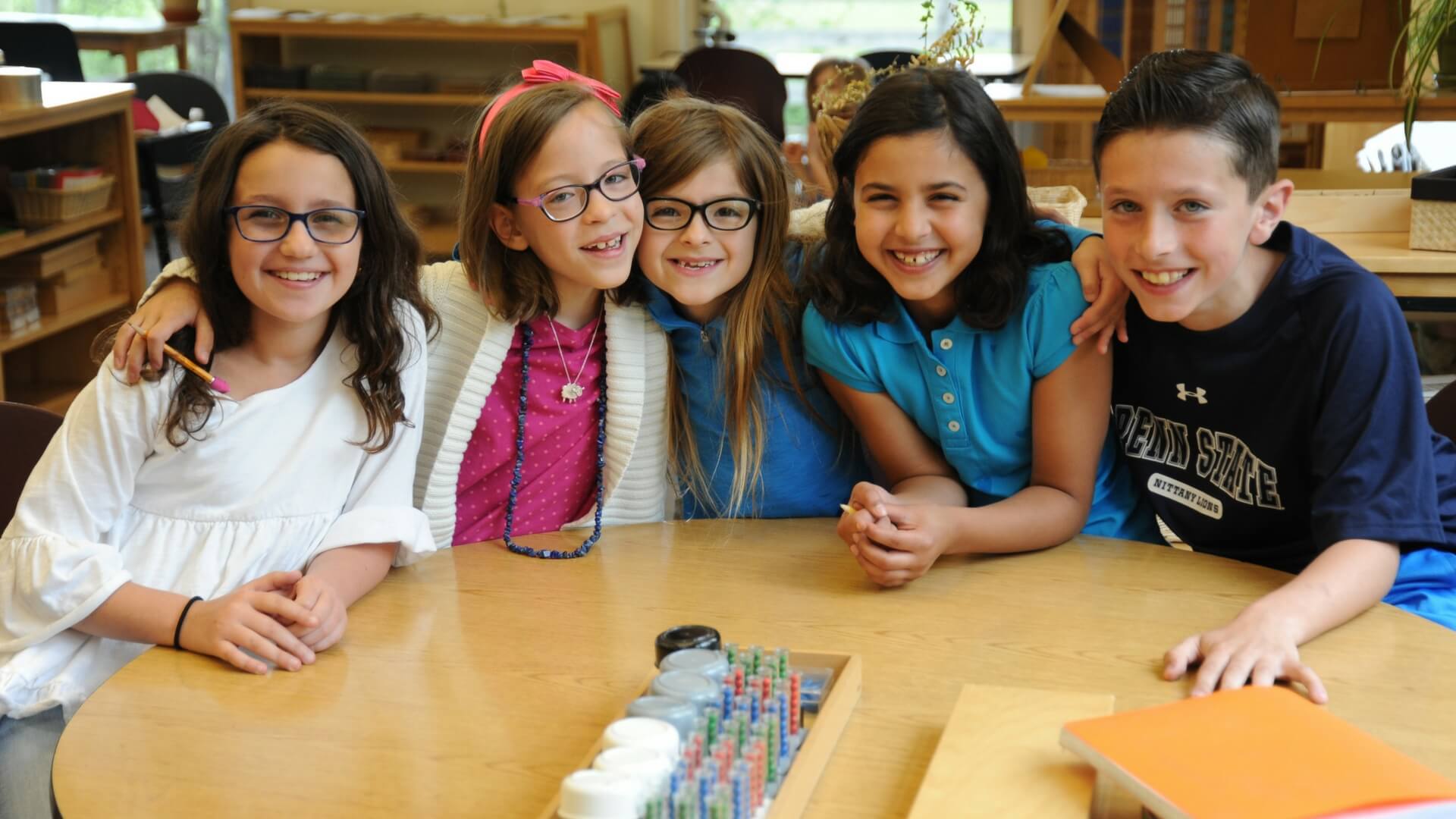

Parents who choose Montessori education often notice something special. Their children become more independent, more curious, and more confident in their abilities. Many families searching for a montessori camp near me are already committed to this philosophy and want to extend those benefits beyond the regular school year. Others are just beginning to explore Montessori and are wondering how they can support this style of learning at home.
The good news is that Montessori principles are not limited to the classroom. With simple, intentional choices, families can create meaningful learning experiences in everyday life. At Hudson Montessori School, the focus is on nurturing independence, curiosity, and responsibility. These same values can thrive in your home environment with thoughtful guidance and practical activities.
Here is how you can bring Montessori learning into your daily routine while supporting early childhood development in a natural and enjoyable way.
Understanding Montessori Beyond the Classroom
Montessori education is built on respect for the child and recognition that children are capable learners. Instead of relying solely on lectures or worksheets, Montessori environments encourage hands on exploration, problem solving, and self-direction.
When children attend a Montessori school or participate in a montessori camp near me, they experience:
- Freedom within clear boundaries
- Purposeful hands-on materials
- Mixed age collaboration
- Opportunities to make choices
- Time for focused, uninterrupted work
Bringing these elements into your home does not require expensive materials or complex lesson plans. It begins with a shift in mindset.
Why Home Reinforcement Matters
Children thrive on consistency. When the home environment reflects similar values to school, children feel secure and empowered. Supporting Montessori activities at home helps:
- Strengthen independence
- Reinforce practical life skills
- Encourage learning through play
- Build confidence
- Support long term academic growth
The goal is not to recreate the classroom. It is to create opportunities for meaningful participation in everyday life.
Practical Life Skills: Everyday Learning Opportunities
One of the most powerful aspects of Montessori education is practical life work. These activities build coordination, concentration, and confidence while teaching children how to contribute to their family and community.
Kitchen Activities
The kitchen is one of the richest learning environments in your home.
Simple activities include:
- Pouring water into a glass
- Measuring ingredients while baking
- Washing fruits and vegetables
- Spreading butter on toast
- Setting the table
These tasks develop fine motor skills and sequencing abilities. They also give children a sense of accomplishment. Instead of doing everything for your child, invite them to participate.
Household Responsibilities
Children naturally want to help. Providing structured opportunities allows them to build responsibility and independence.
Consider:
- Folding small towels or socks
- Organizing books on shelves
- Watering indoor plants
- Sweeping crumbs with a small broom
- Feeding a family pet
These tasks may take longer at first, but the long-term benefits are significant. Children learn patience, focus, and pride in their contributions.
Benefits for Early Childhood Development
Practical life work strengthens:
- Hand eye coordination
- Attention span
- Executive functioning skills
- Problem solving abilities
- Emotional regulation
When children master everyday tasks, they build confidence that transfers into academic learning.
Montessori Activities at Home for Academic Growth
Montessori learning blends academic development with hands on exploration. You can support these skills naturally throughout your day.
Language Development
Language is foundational for academic success.
At home you can:
- Read aloud daily and discuss the story
- Encourage your child to retell events from their day
- Label objects around the house
- Create simple writing journals
- Practice storytelling during car rides
Instead of correcting every mistake, focus on communication and expression. Ask open-ended questions that encourage deeper thinking.
Math Exploration
Math is everywhere in daily life.
Simple activities include:
- Counting steps while walking
- Sorting laundry by color or size
- Measuring ingredients while cooking
- Using coins to practice basic money concepts
- Identifying patterns in nature
These experiences make abstract math concepts concrete and meaningful.
Cultural and Science Learning
Children are naturally curious about the world.
Encourage exploration by:
- Taking nature walks in Hudson
- Observing seasonal changes
- Planting a small garden
- Collecting leaves or rocks
- Conducting simple science experiments at home
Ask questions like, what do you notice? Why do you think that happens? This builds observational skills and scientific reasoning.
Learning Through Play: Creating a Prepared Environment
Montessori classrooms are carefully organized to promote independence and focus. You can apply similar principles at home.
Setting Up a Child Friendly Space
Consider creating a small learning area with:
- Low shelves that children can access independently
- Clearly organized materials
- Activity trays with simple tasks
- Comfortable seating
Keep the environment uncluttered. A calm space encourages concentration and deep engagement.
Choosing Open Ended Materials
Montessori emphasizes materials that allow for creativity rather than fixed outcomes.
Examples include:
- Wooden building blocks
- Art supplies such as crayons and paper
- Puzzles
- Simple craft materials
- Construction sets
These materials encourage imagination and problem solving.
Encouraging Focus and Deep Work
Children benefit from uninterrupted time to concentrate. Limit background distractions such as television or constant noise. Allow your child to work through challenges without immediate intervention.
If frustration arises, offer guidance rather than solutions. Ask questions that help them think about the problem.
Parenting Tips Hudson OH Families Can Apply Daily
Montessori parenting is rooted in respect and consistency. Here are practical parenting tips Hudson OH families can use every day.
1. Encourage Independence
Before stepping in to help, pause and observe. Ask yourself whether your child can attempt the task independently.
Statements such as, I see you are working hard on that, can be more empowering than immediately solving the problem.
2. Offer Choices Within Limits
Provide two appropriate options instead of open-ended freedom. For example, would you like to wear a blue shirt or a green shirt?
This fosters decision making skills while maintaining structure.
3. Practice Respectful Communication
Speak to your child calmly and clearly. Model the behavior you expect. When conflicts arise, guide children toward peaceful problem solving.
4. Establish Predictable Routines
Consistent routines provide security. Morning and evening rituals help children feel prepared and confident.
Extending Learning Beyond the School Year
Learning does not stop when school ends. Many parents searching for a montessori camp near me are looking for meaningful summer experiences that align with Montessori values.
Benefits of Montessori Camps
- Continued academic engagement
- Hands on exploration
- Social development
- Opportunities for creative expression
- Structured independence
Rather than passive entertainment, these programs offer purposeful learning experiences.
Choosing the Right Montessori Camp Near Me
When evaluating a montessori camp near me, consider:
- Whether instructors are trained in Montessori philosophy
- The balance between structure and freedom
- Class size and student to teacher ratio
- Opportunities for outdoor exploration
- Emphasis on practical life skills and creativity
Hudson Montessori School offers enriching camp programs that extend Montessori principles into summer learning. Children continue to develop independence, curiosity, and collaboration skills in a supportive environment.
Balancing Guidance and Freedom
A key aspect of Montessori learning is finding the right balance between support and independence.
Observe your child’s interests and provide materials that align with their curiosity. Step back when they are deeply engaged. Offer guidance when necessary but avoid taking over.
Encourage effort rather than perfection. Celebrate progress and persistence.
When children feel trusted, they rise to the occasion.
Creating a Lifelong Love of Learning
The true goal of Montessori education is not simply academic achievement. It is cultivating a lifelong love of learning.
By integrating Montessori activities at home, supporting practical life skills, and considering enrichment programs such as a montessori camp near me, parents can create a consistent and empowering environment.
At Hudson Montessori School, the philosophy centers on nurturing the whole child. Families who extend these principles into their homes often notice remarkable growth in confidence, independence, and curiosity.
Montessori at home does not require perfection. It requires intention, patience, and trust in your child’s abilities.
When children are given opportunities to explore, contribute, and think independently, they develop skills that last far beyond childhood. With thoughtful guidance and meaningful engagement, your home can become a place where learning happens naturally every day.
FAQs
1. What are the benefits of enrolling my child in a Montessoricamp near me?
A Montessori camp provides hands on learning, social development, and structured independence during school breaks. Children continue building academic and practical life skills in a nurturing environment.
2. How can I practice Montessori activities at home without special materials?
You can use everyday household tasks such as cooking, cleaning, sorting, reading, and gardening. Montessori activities at home focus on independence, responsibility, and learning through real life experiences.
3. Is Montessori at home suitable for children who do not attend a Montessori school?
Yes. Montessori principles such as practical life skills, respectful communication, and learning through play benefit all children, even if they are not enrolled in a Montessori program.
4. What age is appropriate for Montessori camps?
Most Montessori camps are designed for early childhood and elementary-aged children. Programs are typically structured to support developmental stages while encouraging independence and creativity.
5. How does Hudson Montessori School support learning beyond the classroom?
Hudson Montessori School offers enriching programs, including seasonal camps and hands-on activities, that reinforce Montessori principles and support continuous academic and personal growth.
