
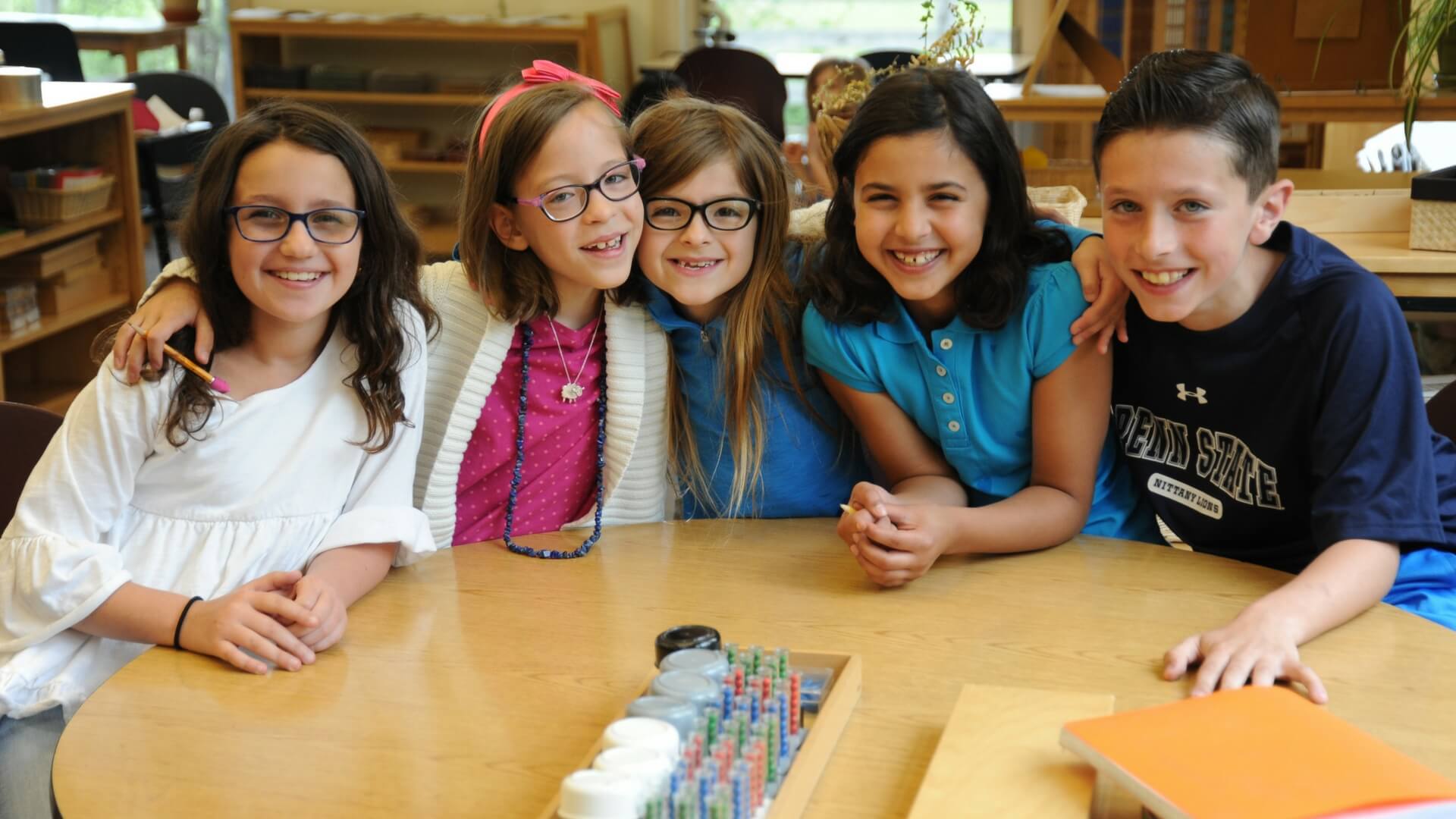

At Hudson Montessori School, the Montessori elementary program is designed to foster curiosity, independence, and critical thinking in children aged 6 to 12. This approach to education builds on the foundation set in early Montessori years, empowering students to become self-motivated learners and confident problem-solvers. Unlike traditional classrooms, Montessori emphasizes hands-on learning, self-paced progression, and real-world application, helping children develop the skills necessary to thrive academically and socially.
The elementary years are a crucial stage in a child’s development. Here, Montessori education focuses on cultivating independent thinkers, encouraging exploration, and nurturing a love for learning that lasts a lifetime.
Understanding the Montessori Elementary Classroom
The Montessori elementary program typically serves children between ages 6 and 12, spanning what is commonly known as grades K–5. One of the defining features of Montessori elementary education is the mixed-age classroom. Students of different ages learn together, which encourages mentorship, collaboration, and peer learning. Older students often help younger classmates, reinforcing their own knowledge while developing leadership skills.
Classrooms are carefully structured to encourage autonomy while providing a safe, supportive environment. Materials are organized on low shelves, allowing children to choose activities independently. Each classroom is designed to support exploration, inquiry, and meaningful engagement in academic work.
Core Principles of Montessori Elementary Education
The Montessori philosophy emphasizes the child as an active participant in learning rather than a passive recipient. Key principles include:
-
Hands-On Learning
Children learn concepts by engaging directly with materials. For example, math manipulatives allow students to understand abstract concepts such as fractions and geometry in a tangible way. Science experiments, cultural studies, and practical life activities reinforce learning through real-world application.
-
Critical Thinking
Montessori education encourages students to question, analyze, and solve problems independently. Teachers guide children to reflect on their work, identify errors, and develop strategies to overcome challenges. This approach builds analytical skills and confidence in decision-making.
-
Self-Paced Learning
Each child progresses at their own pace, ensuring they master concepts fully before moving on. Students are encouraged to pursue areas of interest, deepening engagement and understanding. This personalized approach respects individual learning styles and abilities.
-
Intrinsic Motivation
Montessori education emphasizes learning for its own sake. Children develop a love for exploration and mastery without relying on external rewards or competition. This intrinsic motivation drives sustained engagement and long-term academic success.
Project-Based Learning in Montessori Elementary
Project-based learning is a cornerstone of the Montessori elementary program. Projects integrate multiple subjects—such as math, science, language, and arts—into cohesive, meaningful experiences.
For example, a geography project might include mapping exercises, research on ecosystems, reading and writing assignments, and artistic presentations. These multi-disciplinary projects give students the opportunity to apply concepts in real-world contexts, reinforcing their understanding and promoting critical thinking.
Projects are often long-term, requiring planning, collaboration, research, and presentation skills. This method fosters responsibility, organization, and problem-solving abilities while keeping students motivated through meaningful work.
Developing Independent Thinkers
One of the primary goals of Montessori elementary education is to nurture independent thinkers.
- Promoting Personal Responsibility: Students are responsible for managing their learning materials, choosing activities, and completing projects on time.
- Teacher as Guide: Teachers act as facilitators rather than traditional instructors. They provide guidance when needed, allowing children to make decisions and solve problems independently.
- Balance of Freedom and Structure: While children have autonomy, classroom rules and routines create a stable framework for learning. This combination supports independence while maintaining order and focus.
Through this approach, children develop self-reliance, confidence, and problem-solving skills that prepare them for future academic and personal challenges.
Social and Emotional Growth in Elementary Years
The Montessori elementary classroom also emphasizes social and emotional development.
- Collaboration and Empathy: Students work together on projects, learning to communicate effectively, listen to different perspectives, and resolve conflicts constructively.
- Leadership Opportunities: Mixed-age classrooms provide natural mentorship opportunities. Older students model positive behavior, while younger students develop trust and collaboration skills.
- Conflict Resolution: Children are encouraged to handle disagreements independently, guided by clear principles and teacher support.
These experiences help students develop emotional intelligence, resilience, and strong interpersonal skills, which are essential for lifelong success.
Preparing for the Future: The Value of Montessori Elementary
Montessori elementary education equips students with skills beyond academics:
- Adaptability and Creativity: Problem-solving in varied contexts fosters flexible thinking and innovation.
- Strong Academic Foundation: Hands-on learning and self-paced progress ensure students have a solid understanding of core subjects.
- Social and Emotional Skills: Leadership, collaboration, and empathy are cultivated naturally within the classroom environment.
- Research-Backed Benefits: Studies have shown that Montessori students excel in critical thinking, creativity, and social skills compared to peers in traditional programs (Source: American Montessori Society).
The holistic approach of Montessori education prepares students to be confident, motivated, and capable individuals in an ever-changing world.
Daily Structure in a Montessori Elementary Classroom
A typical day in a Montessori elementary classroom includes:
- Morning Work Cycle: Students independently select activities in subjects like math, language, science, and practical life.
- Project Time: Long-term projects allow students to apply their learning and work collaboratively.
- Group Lessons: Teachers provide targeted instruction in small groups to reinforce skills and introduce new concepts.
- Outdoor Learning: Physical activity, exploration, and gardening foster health, coordination, and a connection to nature.
- Reflection and Discussion: Students review their work, reflect on progress, and set goals for improvement.
This structured yet flexible routine supports self-paced learning, hands-on exploration, and critical thinking.
Benefits of Montessori Elementary Education
Enrolling children in the Montessori elementary program at Hudson Montessori School provides multiple benefits:
- Strong foundation in core academic subjects through hands-on learning
- Development of independent thinking and self-motivation
- Enhanced social and emotional skills through collaboration and mentorship
- Preparation for lifelong learning, adaptability, and creativity
- Cultivation of responsibility, focus, and intrinsic motivation
By nurturing these qualities, Montessori education helps children thrive both academically and personally.
Why Choose Hudson Montessori School
Hudson Montessori School provides a comprehensive Montessori elementary program that balances academic rigor with personal growth. Experienced guides, thoughtfully prepared classrooms, and a focus on hands-on, project-based learning ensure each child develops independence, critical thinking, and a love for learning.
Parents seeking K–5 education that emphasizes creativity, responsibility, and self-paced progress will find the Montessori elementary program at Hudson Montessori School an excellent choice.
Conclusion: Nurturing Independent Thinkers
The elementary years are a pivotal time in a child’s development. Through the Montessori elementary program, children at Hudson Montessori School gain the skills, confidence, and motivation needed to become lifelong learners and independent thinkers.
By fostering curiosity, encouraging hands-on learning, and supporting self-paced growth, Montessori education creates a strong foundation for academic achievement, social-emotional development, and personal success.
Parents looking for a holistic, child-centered approach to K–5 education can trust Hudson Montessori School to provide an enriching environment where each child thrives.
To learn more or schedule a tour, please visit our Montessori Elementary Program page.
Frequently Asked Questions (FAQs)
1. What is a Montessori elementary program?
A Montessori elementary program is a child-centered approach for children aged 6–12 that emphasizes hands-on learning, self-paced progress, and critical thinking. Students develop independence, problem-solving skills, and a lifelong love of learning.
2. How does hands-on learning work in Montessori elementary education?
Hands-on learning allows children to explore concepts using materials and real-world activities. For example, math manipulatives, science experiments, and project-based assignments help students understand abstract ideas through practical experience.
3. What are the benefits of self-paced learning in Montessori elementary classrooms?
Self-paced learning enables students to progress according to their individual abilities. Children master concepts fully before moving on, which builds confidence, reduces stress, and encourages deeper understanding of subjects.
4. How does Montessori elementary education develop critical thinking?
Montessori students are encouraged to question, analyze, and solve problems independently. Teachers guide students to reflect on their work, think creatively, and develop strategies, fostering strong analytical and decision-making skills.
5. Why should parents consider Hudson Montessori School for K–5 education?
Hudson Montessori School provides a structured yet flexible environment that nurtures independent thinkers. The Montessori elementary program promotes hands-on learning, critical thinking, social-emotional growth, and self-motivation, preparing children for academic and personal success.
