
Choosing a preschool for your child is one of the first—and often most important—decisions you’ll make as a parent. For first-time parents, the process can be both exciting and overwhelming. Two of the most common options are Montessori and traditional preschool programs, each with distinct philosophies, classroom environments, and teaching styles.
Understanding the differences between Montessori and traditional preschools will empower you to make a decision that aligns with your child’s needs, your parenting style, and your long-term educational values.
In this comprehensive guide, we’ll explore a side-by-side comparison of Montessori vs traditional preschool, supported by real classroom scenarios, developmental insights, and expert-backed research.
What Is a Montessori Preschool?
Founded by Dr. Maria Montessori in the early 1900s, the Montessori method is a child-centered approach that emphasizes independence, freedom within limits, and respect for a child’s natural psychological development.
In a Montessori preschool:
- Classrooms are multi-age (typically ages 3–6)
- Learning is self-directed
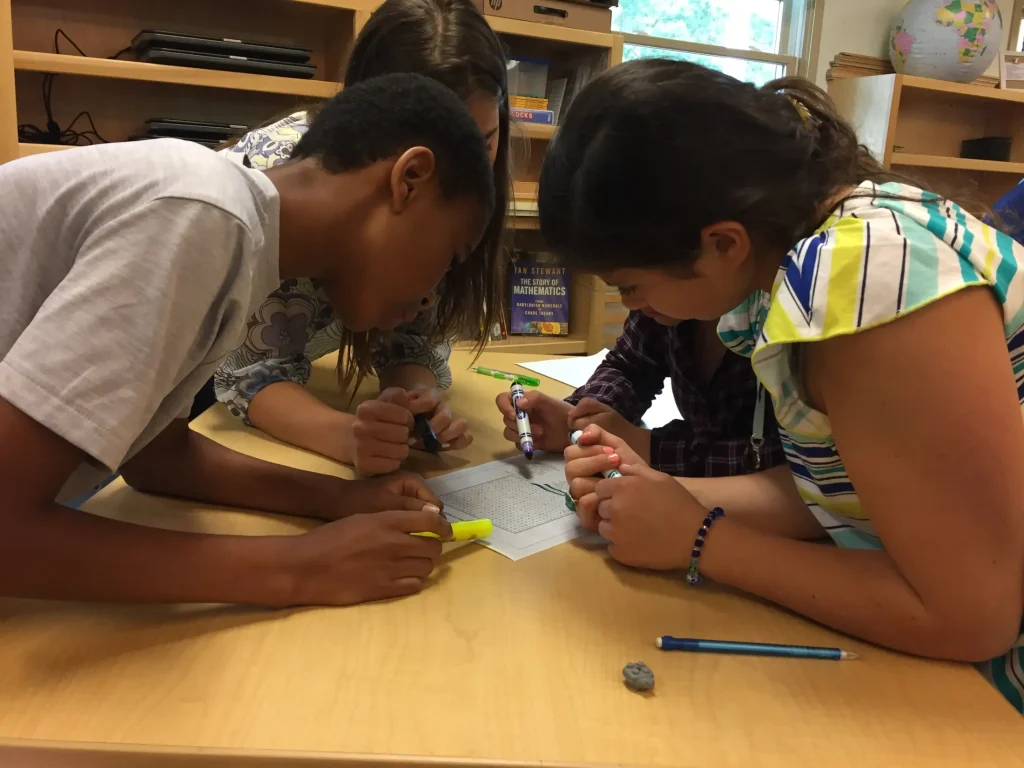
- Children choose from hands-on activities
- Teachers act as guides, not lecturers
- Lessons are based on developmental readiness, not age
The goal is not just academic success but the holistic development of each child—emotionally, socially, and cognitively.
What Is a Traditional Preschool?
Traditional preschools follow a more structured, teacher-directed model. These programs often resemble the framework of later public or private elementary school classrooms.
In a traditional preschool:
- Children are grouped by age (e.g., all 4-year-olds together)
- Learning is led by a teacher in a group setting
- Curriculum is often fixed by grade level
- Activities follow a daily schedule (circle time, snack time, nap time, etc.)
- Academic readiness and milestones are emphasized
Traditional preschools are often focused on preparing children for kindergarten with early literacy and numeracy skills.
Side-by-Side Comparison: Montessori vs Traditional Preschool
Let’s break down the core differences between these two approaches across key dimensions:
| Feature | Montessori Preschool | Traditional Preschool |
| Teaching Style | Child-led, teacher-guided | Teacher-led, group instruction |
| Classroom Environment | Calm, organized, with child-sized materials | Bright, colorful, often cluttered |
| Curriculum Flexibility | Individualized based on readiness | Structured curriculum by age group |
| Class Grouping | Mixed-age (3–6 years) | Same-age groups |
| Learning Materials | Hands-on, self-correcting, real-world objects | Toys, workbooks, and general craft materials |
| Pace of Learning | Self-paced, uninterrupted work periods | Time-bound tasks and group pacing |
| Role of the Teacher | Observer, facilitator | Instructor, manager |
| Evaluation | Observation-based, portfolios | Standardized milestones and checklists |
| Goal | Independence, concentration, holistic growth | Academic readiness, socialization |
Real Classroom Scenario 1: Learning Numbers
In a traditional preschool, the teacher might lead a group of 4-year-olds in a 20-minute lesson about numbers. Children sit in a circle, recite numbers aloud, and complete worksheets using crayons.
In a Montessori preschool, a 3-year-old might independently choose the “number rods”—a tactile, self-correcting material—and work alone or with a peer. Another 5-year-old may be working on basic addition with bead chains. Each child works at their own level and pace with real materials.
Key Takeaway: Montessori supports individualized learning that adapts to each child’s development rather than teaching all students the same content at the same time.
Real Classroom Scenario 2: Social Interaction
In traditional preschool, children of the same age are encouraged to share and take turns during guided play. Conflict resolution is often mediated directly by the teacher.
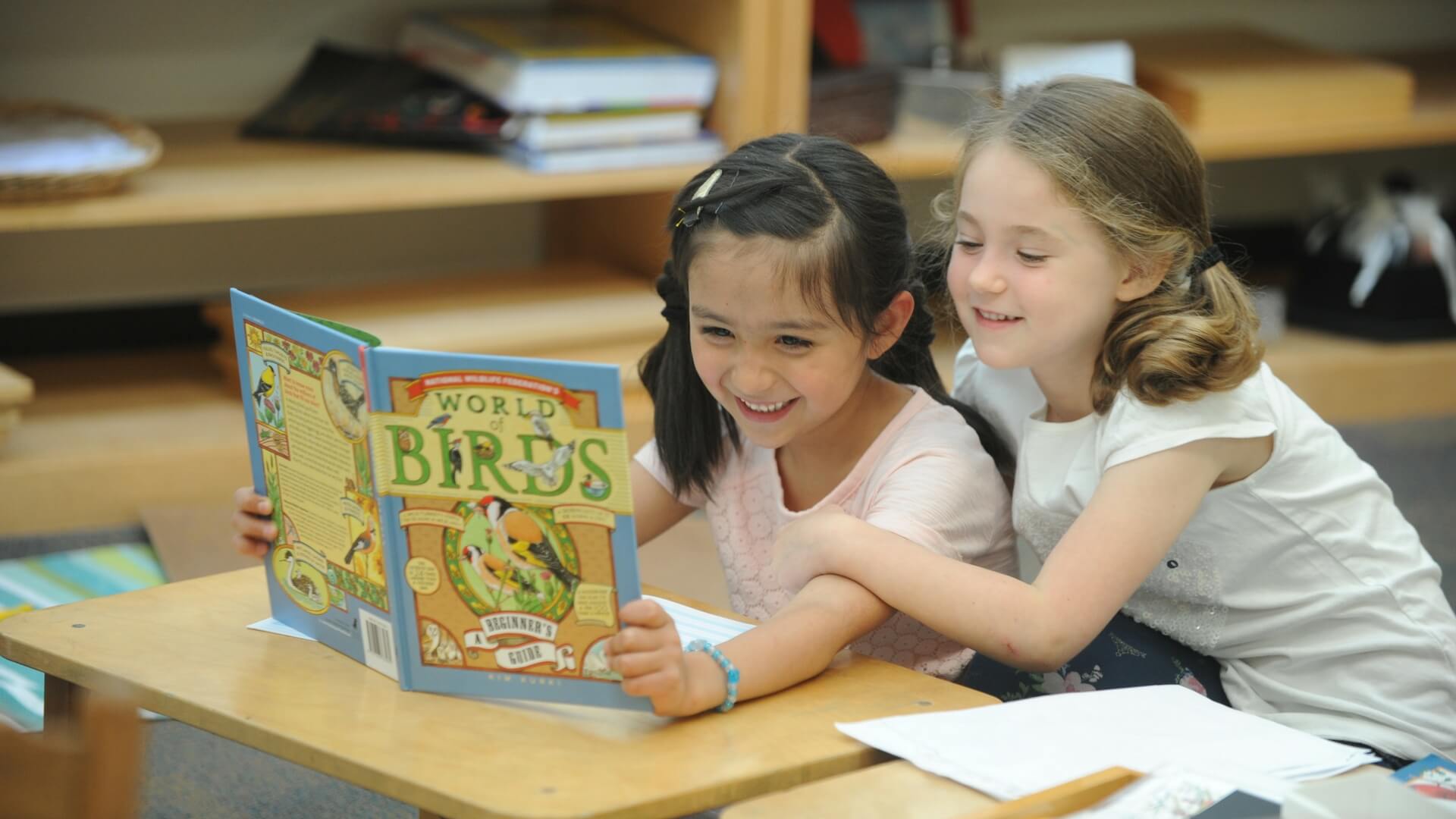
In Montessori, a 3-year-old might work side-by-side with a 5-year-old who models appropriate behavior. When disagreements arise, the teacher encourages children to resolve issues respectfully, giving them tools to negotiate and express feelings.
Key Takeaway: Montessori classrooms foster natural social development through mixed-age mentoring and respectful communication.
The Montessori Advantage: Independence and Responsibility
One of the core tenets of Montessori education is the cultivation of independence from an early age. Even toddlers are encouraged to pour their own water, clean up their materials, and make decisions about their learning.
This has lifelong benefits:
- Builds confidence and self-motivation
- Develops executive functioning skills
- Encourages ownership of learning
- Fosters self-discipline
By contrast, traditional preschools may rely more heavily on teacher instruction, with less emphasis on self-directed behavior.
Hands-On Learning vs Worksheets
Montessori learning materials are unique—they’re scientifically designed to isolate concepts and allow children to self-correct. For example:
- The Pink Tower teaches dimension and size comparison
- Sandpaper letters introduce phonetics through touch
- Practical life materials build real-world motor skills
Traditional preschool learning often includes worksheets, coloring pages, and group crafts, which can limit hands-on engagement and fail to support all learning styles.
Key Insight: Montessori classrooms are designed to stimulate the senses and align with how young children naturally learn—through doing, not memorizing.
Early Childhood Education Goals: Montessori vs Traditional
While both models aim to prepare children for school, their philosophies diverge in how they define readiness.
Montessori defines school readiness as:
- Ability to concentrate and work independently
- Emotional regulation and social grace
- Joy in learning and curiosity
Traditional preschool defines readiness as:
- Familiarity with letters and numbers
- Ability to follow instructions
- Group participation
Neither is right or wrong—it depends on what values you prioritize for your child’s growth.
The Role of the Teacher
In Montessori, teachers are trained to “follow the child.” They:
- Observe children closely to understand readiness
- Introduce materials at the right developmental time
- Step back and allow children to discover
In traditional preschools, teachers often:
- Deliver instruction to a group
- Maintain control of classroom activity
- Follow a set curriculum
This difference affects how children experience authority, autonomy, and learning itself.
Long-Term Impact on Children
Studies show that children who attend Montessori programs often exhibit:
- Stronger executive function
- Higher academic achievement in later years
- Greater social-emotional intelligence
- More intrinsic motivation
Meanwhile, traditional preschoolers may be better adapted to structured environments with schedules and clear rules—similar to public school models.
Ultimately, long-term success depends on:
- The quality of the program
- The consistency of home and school environments
- The individual child’s temperament and learning style
Is Montessori Right for Every Child?
Montessori may be a great fit if your child:
- Enjoys independent exploration
- Learns through touch and movement
- Needs time to concentrate without interruption
- Struggles in high-stimulation environments
It may not be ideal if your child thrives on high energy, fast-paced group activities, or prefers explicit instruction and structure.
Traditional preschool might suit children who:
- Prefer routine and predictability
- Enjoy group activities and storytelling
- Respond well to structured lessons
Remember: Every child is unique. The best choice is the one that fits your child’s personality, your parenting philosophy, and your family’s daily needs.
Questions to Ask When Touring a Preschool
When comparing Montessori and traditional preschools, ask these questions:
- How are children grouped?
- What is the teacher’s role during work time?
- How is conflict resolution handled?
- Are materials child-led or teacher-planned?
- What does a typical day look like?
- How is progress assessed?
- What training do the teachers have?
A school’s answers will help clarify whether it leans more Montessori or traditional—even if it’s not officially labeled as such.
Conclusion
Choosing between Montessori and traditional preschool is a deeply personal decision—but it doesn’t have to be confusing. When you understand the differences in philosophy, classroom design, teaching style, and learning goals, you can make an informed choice that empowers your child to thrive.
Montessori preschools offer independence, hands-on learning, and child-led exploration, creating a foundation for joyful, lifelong learning. Traditional preschools provide structured routines, academic readiness, and socialization that prepare children for more conventional educational settings.
The best school is the one that resonates with your values, supports your child’s individual needs, and fosters a love of learning from the very beginning.
—
FAQs About Montessori vs Traditional Preschool
Q: Is Montessori better than traditional preschool?
A: Not necessarily—it depends on your child’s learning style and your educational priorities. Montessori is excellent for fostering independence and self-directed learning, while traditional preschools offer more structure and group instruction.
Q: What ages are best for Montessori preschool?
A: Most Montessori preschools start enrolling children around age 2.5 or 3 and continue through age 6. The mixed-age environment supports both younger and older children effectively.
Q: Will my child struggle in a traditional kindergarten after Montessori?
A: Generally, no. Montessori children often transition well due to their independence, concentration, and love of learning. However, some may need time to adjust to structured schedules.
Q: How do I know if a Montessori program is authentic?
A: Look for certified Montessori teachers (e.g., AMI or AMS), a full set of Montessori materials, uninterrupted work periods, and mixed-age classrooms.
Q: Are Montessori schools more expensive than traditional preschools?
A: Montessori tuition can be higher due to teacher training, materials, and smaller class sizes. However, many families find the investment worthwhile for the quality of education offered.