
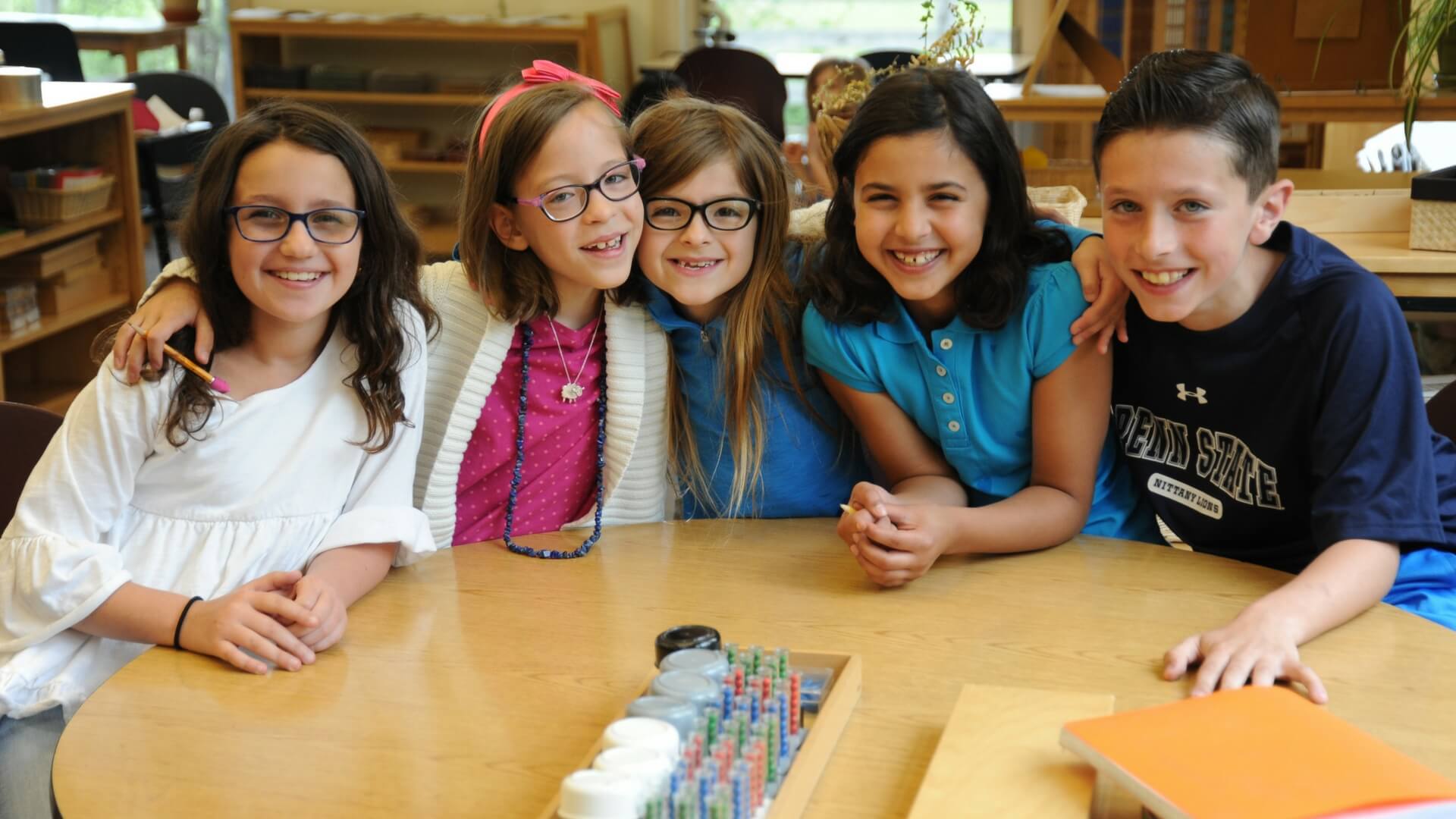

Choosing the right preschool is one of the most important decisions parents make during their child’s early years. In Hudson, Ohio, families are increasingly focused on finding preschool programs that support not only academic readiness but also emotional growth, independence, and confidence. As a result, Montessori education has become a leading choice among parents who want more than a traditional classroom experience.
Preschool programs in Hudson, Ohio, vary widely in philosophy, structure, and outcomes. Many parents begin their search feeling overwhelmed by options and unsure which environment will best support their child’s development. This guide is designed to help parents understand those options, explore the Montessori approach, and confidently decide whether a Montessori preschool is the right fit for their family.
Overview of Preschool Options in Hudson, Ohio
Hudson offers a variety of early childhood education options, each designed to meet different family needs. Understanding these differences is the first step in choosing the best preschool program.
Below is a simple comparison to help Hudson parents understand the key differences between preschool options.
| Criteria | Traditional Preschool | Daycare Programs | Montessori Preschool (Hudson Montessori School) |
| Primary focus | Group-based academic instruction | Supervision and basic care | Child-centered learning and development |
| Teaching approach | Teacher-led lessons | Routine care with activities | Self-paced, hands-on learning |
| Learning pace | Same for all children | Not structured | Based on individual readiness |
| Curriculum structure | Fixed schedule and worksheets | Limited or informal | Structured Montessori curriculum |
| Role of educator | Instructor | Caregiver | Guide and observer |
| School readiness | Moderate | Basic | Strong kindergarten readiness |
| Independence building | Limited | Minimal | Strong focus on independence |
| Best suited for | Children are comfortable with group learning | Families needing full-day care | Families seeking holistic early education |
What Hudson Parents Value Most in Early Education
Parents in Hudson consistently look for programs that provide safety, qualified educators, strong communication, and meaningful learning experiences. Increasingly, families are prioritizing social and emotional development alongside academics. Montessori education aligns closely with these values, which explains its growing popularity across the community.
What Is a Montessori Preschool Program?
Montessori education is based on decades of research into how children learn best. It emphasizes independence, respect, and purposeful activity. To learn more about the Montessori philosophy, you can visit https://hudsonmontessori.org/programs/about-montessori/.
Core Montessori Principles Explained Simply
Montessori education is built around a few key principles. Children learn best when they are actively engaged. Learning should follow the child’s natural interests. Mistakes are part of the learning process. Independence builds confidence and motivation.
In a Montessori preschool, children choose activities from a range of carefully designed materials. These materials teach concepts in math, language, science, and practical life through hands-on exploration rather than rote memorization.
Role of Trained Montessori Educators
Teachers in Montessori classrooms are specially trained to observe rather than direct. At Hudson Montessori School, educators carefully watch each child’s progress and introduce lessons when the child is ready. This allows learning to feel natural and enjoyable rather than forced.
Teachers guide, support, and encourage independence while maintaining a calm and respectful classroom environment.
Classroom Structure and Learning Environment
Montessori classrooms are organized, peaceful, and inviting. Materials are placed on low shelves so children can access them independently. Each activity has a purpose, and children are taught how to use materials correctly and return them when finished.
This structure helps children develop focus, responsibility, and respect for their environment and peers.
Benefits of Montessori Preschool for Young Children
Parents often choose Montessori preschool programs because of the long-term benefits they offer across all areas of development.
1. Independence and Confidence Building
Montessori classrooms encourage children to do things for themselves. From pouring water to choosing their own work, children gain practical skills that build self-confidence. This independence helps children feel capable and proud of their achievements.
At Hudson Montessori School, children are supported as they learn to manage tasks independently, preparing them for both school and life beyond the classroom.
2. Social, Emotional, and Academic Development
Montessori education supports the whole child. Social skills develop through collaboration and respect. Emotional development is encouraged through self-regulation and problem-solving. Academics are introduced in a way that feels engaging and meaningful.
Children learn to communicate respectfully, resolve conflicts peacefully, and work cooperatively with others.
3. Hands-On Learning Advantages
Hands-on learning helps children understand concepts deeply. Montessori materials are designed to make abstract ideas concrete. For example, math concepts are learned through physical objects rather than worksheets alone.
This approach helps children retain information longer and develop a genuine love for learning.
Montessori vs Traditional Preschool in Hudson
Many parents compare Montessori and traditional preschools before making a final decision. Understanding the differences can clarify which approach best suits your child.
-
Teaching Methods Compared
Traditional preschools rely heavily on group lessons and teacher instruction. Montessori classrooms allow children to work independently or in small groups based on interest and readiness.
Montessori teaching adapts to the child, while traditional teaching often expects the child to adapt to the lesson.
-
Child-Teacher Interaction Differences
In Montessori classrooms, teachers act as guides rather than lecturers. This allows for more individualized attention. Teachers observe each child’s progress and offer lessons tailored to their needs.
Traditional classrooms often involve one teacher instructing many children at once, which can limit individual engagement.
-
Learning Pace and Assessment Styles
Montessori education allows children to progress at their own pace. There is no pressure to keep up with peers. Assessment is based on observation and mastery rather than tests or grades.
This reduces stress and supports healthy emotional development.
Choosing the Best Preschool in Hudson, Ohio
Finding the best preschool involves more than comparing schedules and tuition. Parents should consider philosophy, environment, and long-term outcomes.
-
Key Features Parents Should Look For
A high-quality preschool should offer trained educators, a safe and nurturing environment, low student-to-teacher ratios, and a clear educational philosophy. Montessori programs should follow authentic Montessori principles and provide a well-prepared classroom.
Hudson Montessori School focuses on individualized learning, respect for children, and strong partnerships with families.
-
Questions to Ask During School Visits
Parents should ask about teacher training, classroom structure, daily routines, and communication with families. Observing how children interact with teachers and peers can provide valuable insight into the school culture.
It is also helpful to ask how the school supports social and emotional development alongside academics. For information on enrollment and admissions at Hudson Montessori School, visit their Admissions page.
-
Signs of a Quality Montessori Preschool
A quality Montessori preschool will have calm classrooms, engaged children, and teachers who observe more than they lecture. Materials should be accessible and purposeful. Children should appear confident, focused, and happy.
Enrollment Tips for Hudson Parents
Preschool enrollment in Hudson can be competitive, so planning is important.
-
When to Start Preschool Enrollment
Many families begin researching preschools six to twelve months before their desired start date. Montessori programs may have waitlists, especially for popular age groups.
Early tours and inquiries help ensure families secure a spot in their preferred program.
-
Preparing Your Child for Montessori
Children do not need prior experience to succeed in Montessori. Parents can support readiness by encouraging independence at home, allowing children to make simple choices, and establishing consistent routines.
Reading together and involving children in daily tasks can also help build confidence.
-
Common Mistakes to Avoid
One common mistake is focusing only on academics and overlooking emotional and social development. Another is choosing a preschool based solely on convenience rather than educational quality.
Taking time to understand the Montessori philosophy helps parents make informed decisions.
Conclusion
Montessori preschool programs continue to stand out in Hudson, Ohio, because they offer a balanced, thoughtful approach to early childhood education. By focusing on independence, hands-on learning, and whole-child development, Montessori education prepares children not just for kindergarten but for lifelong success.
For families seeking a nurturing, engaging, and academically sound preschool experience, Hudson Montessori School provides a learning environment where children are respected, supported, and inspired to grow.
If you are exploring preschool programs in Hudson, Ohio, now is the perfect time to schedule a tour and experience Montessori education firsthand. Contact Hudson Montessori School today to learn more about enrollment options and take the next step in your child’s educational journey.
FAQs:
1. What age can my child start preschool at Hudson Montessori School?
Most children can begin Montessori preschool between ages three and five. Hudson Montessori School also evaluates each child’s developmental readiness to ensure they are comfortable, confident, and prepared for the classroom environment.
2. How is Montessori preschool different from traditional preschool programs in Hudson, Ohio?
Montessori preschool focuses on child-led learning, hands-on materials, and individualized pacing. Unlike traditional preschools that rely on group instruction, Montessori allows children to learn independently while guided by trained educators.
3. Is Montessori preschool suitable for all children?
Yes, Montessori education benefits a wide range of learning styles. It supports independent learners, social learners, and children who thrive in calm, structured environments. The approach adapts to the child rather than forcing the child to adapt to the system.
4. What skills will my child develop in a Montessori preschool program?
Children develop academic readiness, social skills, emotional regulation, independence, problem-solving abilities, and confidence. Montessori education emphasizes practical life skills along with early literacy and math foundations.
5. When should parents begin preschool enrollment in Hudson, Ohio?
Parents are encouraged to begin researching and touring preschools at least six to twelve months in advance. Montessori programs like Hudson Montessori School may have limited availability, so early planning helps secure placement.

