


Montessori education has long been recognized for its emphasis on independence, hands-on learning, and child-led discovery. But what happens once the school day ends?
For many families—especially working parents and dual-income households—afternoon care isn’t a luxury; it’s a necessity. Fortunately, Montessori after school programs provide far more than supervision. They offer enriching environments that continue to foster child development while supporting family schedules.
This article explores the true value of Montessori after school programs, showcasing how they promote emotional well-being, academic support, enrichment, and structured freedom for growing children.
What Are Montessori After School Programs?
Montessori after school programs are thoughtfully designed extensions of the school day, grounded in the same philosophy that guides Montessori classrooms. While many conventional aftercare services focus on crowd control and passive activities, Montessori programs prioritize learning through play, purposeful activity, and social engagement.
These programs are typically led by Montessori-trained staff or educators familiar with the pedagogy, ensuring consistency in tone, expectations, and approach throughout the child’s day.
They may include:
- Unstructured and structured play
- Practical life exercises
- Outdoor exploration
- Arts and crafts
- Music, drama, and movement
- Homework or quiet reading time
The goal is to offer children autonomy and freedom within a prepared environment—just as they experience during core school hours.
Why Working Families Value After School Care
Parents with full-time jobs often face a scheduling dilemma. School may end at 3:00 PM, but work doesn’t. Montessori after school programs meet this challenge by creating a bridge between school and home in a meaningful, supportive way.
Here’s why this matters:
- Children remain in a familiar, consistent environment, minimizing transitions.
- Parents enjoy peace of mind knowing their child is safe and engaged.
- Siblings of different ages can often attend the same school environment all day.
- Children avoid screen-based babysitting and instead participate in guided enrichment.
For dual-income families, this isn’t simply a matter of logistics—it’s about aligning family values with child care decisions.
Top Benefits of Montessori After School Programs
Let’s explore the most important advantages that make these programs stand out from conventional aftercare offerings.
- Continuity of the Montessori Approach
Children thrive in environments that provide stability, consistency, and clarity. Montessori after school programs mirror the school’s values and practices, so the transition from class to care is seamless.
- Children remain with educators trained in the Montessori method.
- Classroom rules and respectful behavior are upheld.
- The tone is calm, orderly, and respectful—never chaotic or overstimulating.
This continuity helps children feel secure and confident throughout their day.
- Extended Learning Through Enrichment Activities
After school doesn’t mean learning stops. In fact, it may accelerate—especially when children are given the chance to explore new interests freely.
Common enrichment activities include:
- Nature walks and gardening
- Cooking and food preparation
- Creative arts and crafting
- Music and rhythm games
- Building and engineering projects
- Drama, dance, and storytelling
These activities reinforce executive functioning, sensory exploration, and motor development—all while being fun and engaging.
- Freedom Within Structure
Montessori environments are rooted in the concept of “freedom within limits.” After school programs extend this philosophy, offering children choices within a prepared environment.
- Children can choose between quiet reading, group games, or art.
- They practice time management and decision-making.
- Conflict resolution is modeled and encouraged.
This helps cultivate independence and responsibility, even outside traditional academic hours.
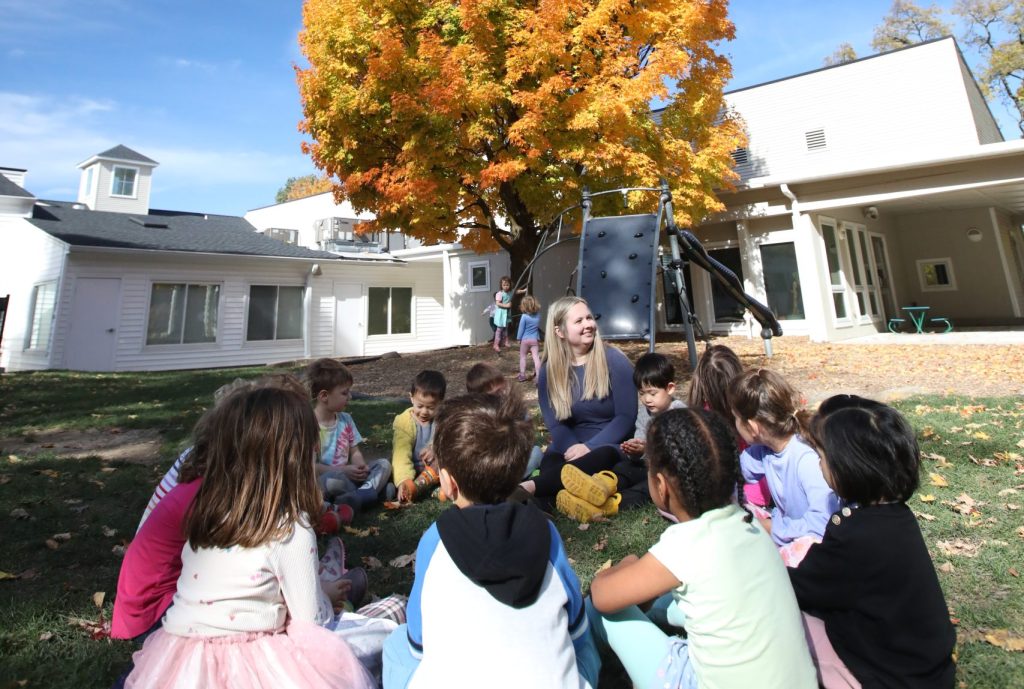
- Social and Emotional Development
Peer interactions in after school programs differ from those during the academic day. These less-structured periods offer valuable opportunities for children to:
- Practice cooperation in mixed-age groups
- Resolve conflicts independently
- Develop empathy and patience
- Build friendships across classrooms and age levels
With trained educators guiding them, children are encouraged to express themselves freely and respectfully.
- Safe, Predictable Environment for Working Parents
Safety and reliability are two key concerns for any parent. Montessori after school programs meet both.
- Extended hours often accommodate up to 6:00 PM or later
- The same campus and educators remain in place
- Regular routines help children know what to expect
For working parents, this allows for peace of mind and flexible pickup times, reducing daily stress.
- Support for the Whole Child
Montessori emphasizes educating the whole child—mind, body, and spirit. After school programs support this mission by encouraging holistic development in areas often overlooked during traditional class time.
- Physical movement (through games, yoga, or outdoor time)
- Artistic expression (crafts, music, painting)
- Mindfulness (breathing exercises or guided reflections)
- Language development (storytelling, free conversation)
These elements nurture creativity, resilience, and inner calm in a joyful setting.
Comparing Montessori After School Programs to Conventional Daycare
While traditional daycare or aftercare may provide basic supervision, Montessori programs elevate the experience by offering purpose-driven engagement.
| Feature | Traditional Aftercare | Montessori After School Program |
| Staff Training | General childcare | Montessori-trained or familiar with pedagogy |
| Environment | Often noisy or overstimulating | Calm, structured, and intentionally designed |
| Learning Approach | Passive activities (TV, worksheets) | Hands-on exploration and child-led learning |
| Behavior Guidance | Discipline-focused | Modeled social-emotional strategies |
| Enrichment Activities | Limited | Integrated and diverse (arts, science, nature) |
The key difference lies in intention: Montessori after school programs are not merely places to wait until pickup—they are environments where children continue to thrive.
How These Programs Impact Children Long-Term
Participation in a quality after school program offers lifelong benefits. Children gain:
- Confidence in social settings
- Independence in decision-making
- Increased self-awareness
- Broadened interests and passions
- A positive association with learning and community
Many parents report that their children become more expressive, focused, and collaborative after regular attendance in Montessori after school care.
Tips for Choosing the Right Montessori After School Program
If you’re considering enrolling your child, here are a few things to look for:
- Is the program led by staff familiar with Montessori principles?
- Are activities child-led or overly scheduled?
- Is there a balance between structured and free time?
- Are materials developmentally appropriate and enriching?
- Is there open communication between staff and parents?
Ask for a tour or observation session. The after school environment should feel as intentional and inspiring as the daytime classroom.
Conclusion
Montessori after school programs do more than fill a schedule gap—they enhance the educational journey. Through thoughtful structure, enrichment, and a focus on the whole child, these programs provide meaningful experiences that support working families and nurture growing minds.
Whether you’re a parent looking for extended care or a family seeking continuity in your child’s learning environment, a Montessori after school program can offer the perfect blend of academic support, creative freedom, and emotional safety. Contact us.
By investing in after school programs that align with Montessori values, you’re not just buying time—you’re supporting your child’s lifelong development in a compassionate, intentional way.
—
FAQs About Montessori After School Programs
Q: Are Montessori after school programs suitable for all age groups?
A: Yes. Most Montessori schools offer programs that accommodate different age ranges, often grouped by developmental stage, such as Children’s House, Lower Elementary, and Upper Elementary.
Q: What’s the difference between Montessori aftercare and regular daycare?
A: Montessori aftercare continues the child-centered, self-directed approach of the classroom. It focuses on enrichment, autonomy, and hands-on activities rather than passive entertainment or crowd management.
Q: Are enrichment activities part of the standard program or optional?
A: In most Montessori after school programs, enrichment activities like music, art, and nature exploration are embedded in the daily structure and not treated as optional add-ons.
Q: How late do these programs typically run?
A: Programs usually extend from the end of the school day (around 3:00 PM) to approximately 5:30–6:00 PM, though times may vary by school.
Q: Will my child receive academic support or tutoring?
A: While not tutoring-focused, Montessori aftercare often includes quiet time for reading, writing, or completing homework in a peaceful setting.