
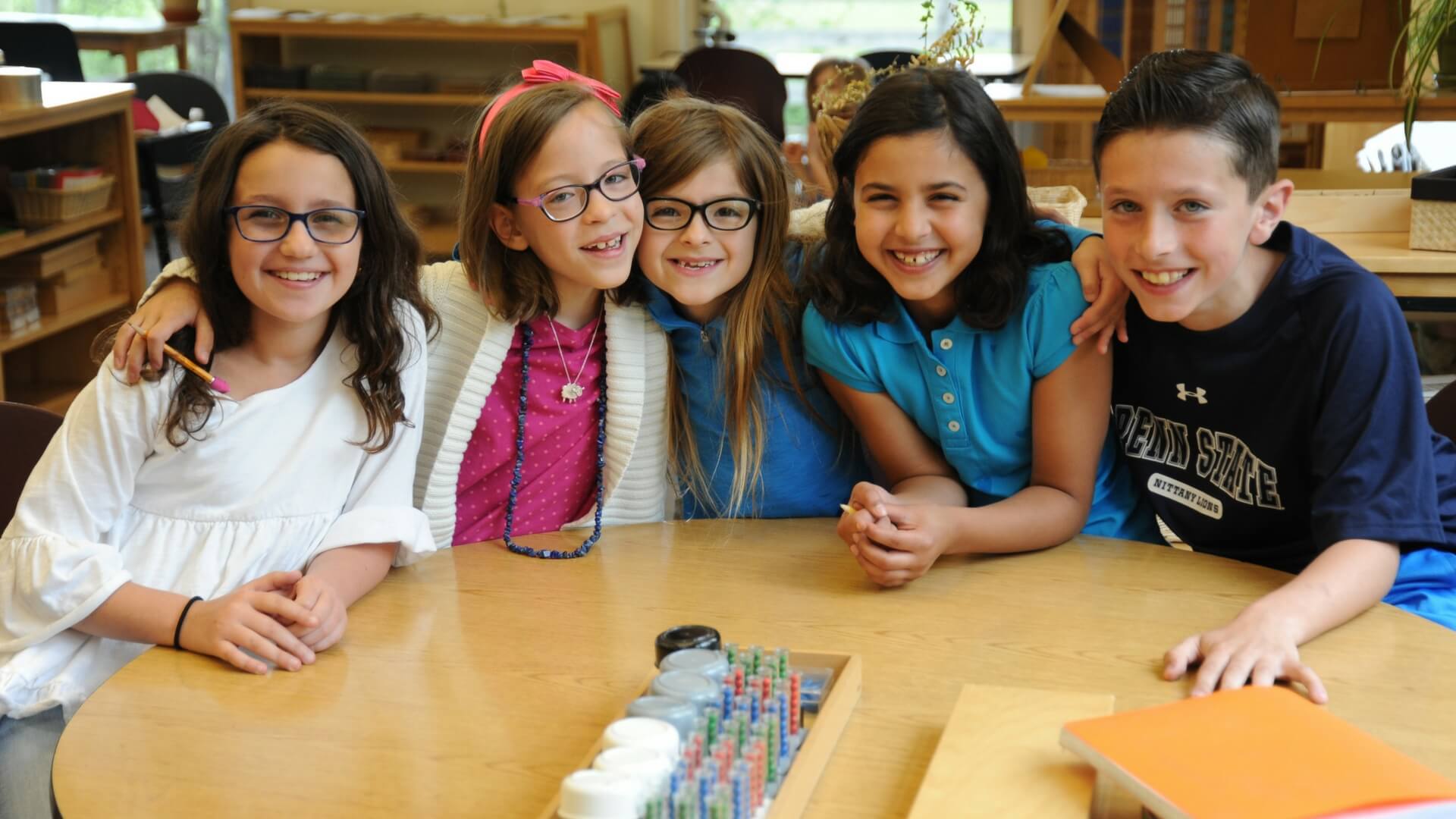

Montessori after school programs provide working parents with a dependable and enriching option for after-school care. Coordinating schedules while ensuring children remain safe, engaged, and supported can be challenging. Unlike traditional daycare, which focuses mainly on supervision, Montessori after-school programs go further. They combine structured care with enrichment, helping children grow academically, socially, and emotionally.
Montessori programs focus on nurturing the whole child. They go beyond simply watching over children after school. These programs provide opportunities for exploration, creativity, and personal growth. For dual-income families, they offer the perfect blend of safety, structure, and development-focused activities.
Understanding Montessori After-School Programs
A Montessori after school program continues the principles of Montessori education beyond the classroom. These programs focus on child-centered learning, allowing students to pursue their interests while building essential life skills.
Programs vary by school but share key elements. Students participate in structured yet flexible activities that promote curiosity, creativity, and independence. Teachers guide rather than direct, helping students make choices and solve problems on their own.
Safety is a top priority. Children remain in a secure, predictable environment, which supports emotional well-being. At the same time, the program emphasizes exploration, hands-on learning, and opportunities for social interaction. This combination ensures children receive both care and meaningful experiences after the school day ends.
Enrichment Activities That Enhance Development
One of the most important features of Montessori after-school programs is the focus on enrichment activities. These activities promote growth in academics, creativity, and social-emotional skills.
- Academic Support: After-school programs provide homework assistance and tutoring in reading, math, and other subjects. Teachers help students reinforce classroom learning while developing study habits and critical thinking skills.
- Creative and Practical Life Activities: Students explore arts, music, STEM projects, and hands-on experiments. These activities allow children to learn by doing and develop skills beyond traditional academics.
- Social-Emotional Learning: Guided group activities and cooperative play teach collaboration, empathy, and communication. Children learn how to manage emotions, resolve conflicts, and interact with others constructively.
Participating in these enrichment activities helps children build confidence and independence. They gain a sense of accomplishment and pride in their abilities. For working parents, this means after-school hours are productive and enriching.
Extended Care Options for Busy Families
Montessori after-school programs also offer extended care, which is a practical solution for working families. Many programs provide flexible schedules that allow parents to pick up their children later in the day without worrying about supervision gaps.
Maintaining continuity between the school day and after school is another advantage. Children remain in familiar environments with consistent routines. This reduces stress, supports emotional stability, and keeps children engaged in meaningful learning activities.
Extended care is not only convenient but also aligns with Montessori principles. At Hudson Montessori School, children continue learning problem-solving, collaboration, and self-direction skills in a safe and structured setting.
Supporting Holistic Child Development
Montessori after school programs support child development in a holistic way. Activities target intellectual growth, social-emotional skills, creativity, and physical activity.
- Independence and Responsibility: Children make choices about their activities and take ownership of their projects. This fosters self-reliance and accountability.
- Collaboration and Leadership: Group projects allow children to work together, take leadership roles, and practice teamwork. This prepares them for future academic and professional environments.
- Problem-Solving and Critical Thinking: Hands-on activities encourage students to analyze situations and find solutions independently.
Programs often include physical activity, mindfulness exercises, and reflection periods. These experiences improve focus, emotional regulation, and overall well-being. By supporting multiple areas of development, Montessori after-school programs nurture confident and resilient children.
Value-Added Benefits for Parents and Children
The benefits of Montessori after-school programs extend to both children and parents.
- Peace of Mind: Parents know their children are safe, engaged, and growing in a structured environment.
- Increased Engagement: Children remain actively involved in learning and exploration after school, improving academic and social outcomes.
- Long-Term Development: Structured enrichment activities help children develop critical thinking, creativity, and collaboration skills, which benefit them in school and beyond.
Children who attend these programs often show improved self-discipline, motivation, and confidence. They learn to manage time, set goals, and complete tasks independently. These skills provide a strong foundation for lifelong success.
How Montessori After-School Programs Prepare Children for Life
Montessori after-school programs do more than occupy time after school. They develop skills essential for life:
- Self-Management: Children learn to plan and organize tasks independently.
- Collaboration: Working with peers teaches teamwork, respect, and communication.
- Creativity and Exploration: Hands-on activities encourage curiosity and problem-solving.
- Emotional Intelligence: Social-emotional learning builds empathy, resilience, and communication skills.
These skills create a strong foundation for academic achievement, personal growth, and social success. By the time children leave the program, they are prepared for school challenges and practical life situations.
Conclusion: The Hidden Value of Montessori After School Programs
Montessori after-school programs provide more than care. They support child development in ways traditional programs often cannot. By combining structured supervision with enrichment activities and extended care, these programs help children thrive academically, socially, and emotionally.
At Hudson Montessori School, after-school programs nurture the whole child. Students engage in purposeful activities that reinforce classroom learning, build confidence, and foster independence.
If you want to see how Montessori after-school programs can benefit your child, schedule a visit to Hudson Montessori School today and explore the program firsthand.
Frequently Asked Questions
1. What activities do Montessori after-school programs include?
They include academic support, enrichment activities such as arts, music, and STEM projects, and social-emotional learning exercises.
2. How do these programs support child development?
They promote independence, collaboration, leadership, problem-solving, and emotional growth.
3. Can extended care accommodate working parents’ schedules?
Yes. Montessori after-school programs offer flexible hours to meet the needs of busy families.
4. Are these programs suitable for all children?
Yes. Programs adapt to individual learning styles and developmental needs.
5. How do parents benefit from Montessori after-school programs?
Parents gain peace of mind knowing their children are safe, engaged, and developing holistically after school.
